Best Time to Visit Bali from the UAE (Eid & Weather)

Bali is a dream destination for many UAE residents, offering a blend of cultural richness, luxurious accommodations, and a family-friendly environment. For Emirati families considering a trip, understanding the optimal travel times, visa requirements, and cultural aspects can ensure a seamless and enjoyable experience.
Understanding the Best Time to Visit Bali from the UAE
Bali’s dry season, from April to October, is the ideal time for UAE residents to visit. This period provides sunny days and minimal rainfall, perfect for exploring the island’s diverse attractions. The weather is particularly appealing during the UAE’s summer months (June to August), offering a cooler escape from the intense heat back home. For families, this timing aligns well with the UAE school breaks, allowing for an extended holiday. It’s important to note that during Eid al-Fitr and Eid al-Adha, Bali becomes a popular destination for GCC residents, so early booking is advisable. Whether enjoying the serene beaches of Nusa Dua or the cultural heart of Ubud, visiting during the dry season ensures a comfortable and memorable experience. For more details on flight schedules, visit our flights to Bali from UAE page.
Visa Requirements for UAE Residents
UAE residents, including Emirati and GCC passport holders, can enter Indonesia on a Visa on Arrival (VOA). This visa is available for approximately IDR 500,000 (around AED 115) and is valid for 30 days, extendable once for an additional 30 days. The visa can be obtained online via evisa.imigrasi.go.id or upon arrival at the airport. It is crucial to ensure that your passport is valid for at least six months from your date of entry and that you have a return ticket. Additionally, travelers must pay a Bali Tourist Levy of IDR 150,000 (around AED 35) via lovebali.baliprov.go.id. Residents with other nationalities should verify their specific visa rules based on their passport.
Flight Options from the UAE to Bali
Direct flights from Dubai (DXB) to Bali’s Ngurah Rai International Airport (DPS) take approximately nine hours, primarily serviced by Emirates (via Singapore) and Garuda Indonesia (via Jakarta). Flydubai also offers seasonal flights to the region. From Abu Dhabi (AUH), Etihad Airways provides flights to Bali, usually with one stop. Bali operates on WITA (UTC+8) time, which is four hours ahead of the UAE (GST, UTC+4). It’s advisable to book flights early, especially during peak travel seasons like Eid and school holidays, to secure the best rates. For more information on flight costs and schedules, visit our cheapest time to fly from Dubai to Bali page.
Cultural and Halal Considerations for Emirati Families
Indonesia, being the world’s most populous Muslim-majority country, offers a welcoming environment for Muslim travelers. Halal food is readily available across Bali, and mosques and prayer rooms (musholla) are widespread. This makes Bali an ideal destination for Emirati families seeking a culturally comfortable holiday. Many luxury resorts and villas cater specifically to halal preferences, ensuring privacy and comfort. Activities such as visiting the sacred temples, exploring rice terraces, and enjoying traditional Balinese performances can be enjoyed by the whole family. Bali’s hospitality industry is well-versed in catering to the needs of Muslim travelers, providing a seamless and respectful experience.
Accommodation and Luxury Experiences in Bali

Bali offers a range of luxurious accommodations, from five-star beach resorts to private pool villas. Areas such as Seminyak, Nusa Dua, and Ubud are renowned for their high-end hotels and villas, providing opulent settings with top-tier service. Many accommodations offer family-friendly amenities, including children’s clubs, private tours, and halal dining options. Additionally, bespoke services such as private airport transfers, VIP immigration fast-track, and customized itineraries can be arranged through trusted Bali partners. While prices vary, these services ensure a stress-free and indulgent vacation, tailored to the specific preferences and needs of UAE travelers.
Planning Around UAE School Breaks and Holidays
For families in the UAE, planning a trip to Bali around school breaks and public holidays can maximize vacation time without disrupting school schedules. The UAE school calendar typically includes breaks in December, March, and during the summer months, aligning well with Bali’s dry season. Additionally, traveling during Eid al-Fitr and Eid al-Adha offers a unique opportunity to experience Bali’s cultural festivities and vibrant atmosphere. To ensure availability and the best rates, it’s recommended to plan and book accommodations and flights well in advance. Our 7-day Bali family itinerary from the UAE provides a comprehensive guide to making the most of your holiday.
Financial Considerations and Currency Exchange
The currency in Bali is the Indonesian Rupiah (IDR), with an approximate exchange rate of IDR 4,200 to AED 1. It’s advisable to check the live exchange rate before traveling. Most major credit cards are accepted in hotels and restaurants, but it’s wise to carry some cash for smaller vendors and local markets. ATMs are widely available, but be mindful of withdrawal fees. When budgeting for your trip, consider costs for accommodations, dining, transportation, and activities. Bali offers a range of options to suit different preferences and budgets, ensuring a luxurious yet affordable experience for UAE travelers.
Health and Safety Precautions for Travelers
When traveling to Bali, it’s important for UAE residents to consider health and safety precautions. Bali is generally a safe destination, but travelers should remain vigilant about personal safety and health. It’s advisable to have travel insurance that covers medical expenses, as healthcare facilities in Bali may not match the standards found in the UAE. Vaccinations such as Hepatitis A and Typhoid are recommended, particularly for those planning to explore rural areas. Drinking bottled water is advised to prevent waterborne illnesses. Ensure you have a first-aid kit and any necessary medications. For emergency situations, the local emergency number is 112.
Exploring Bali’s Natural Wonders
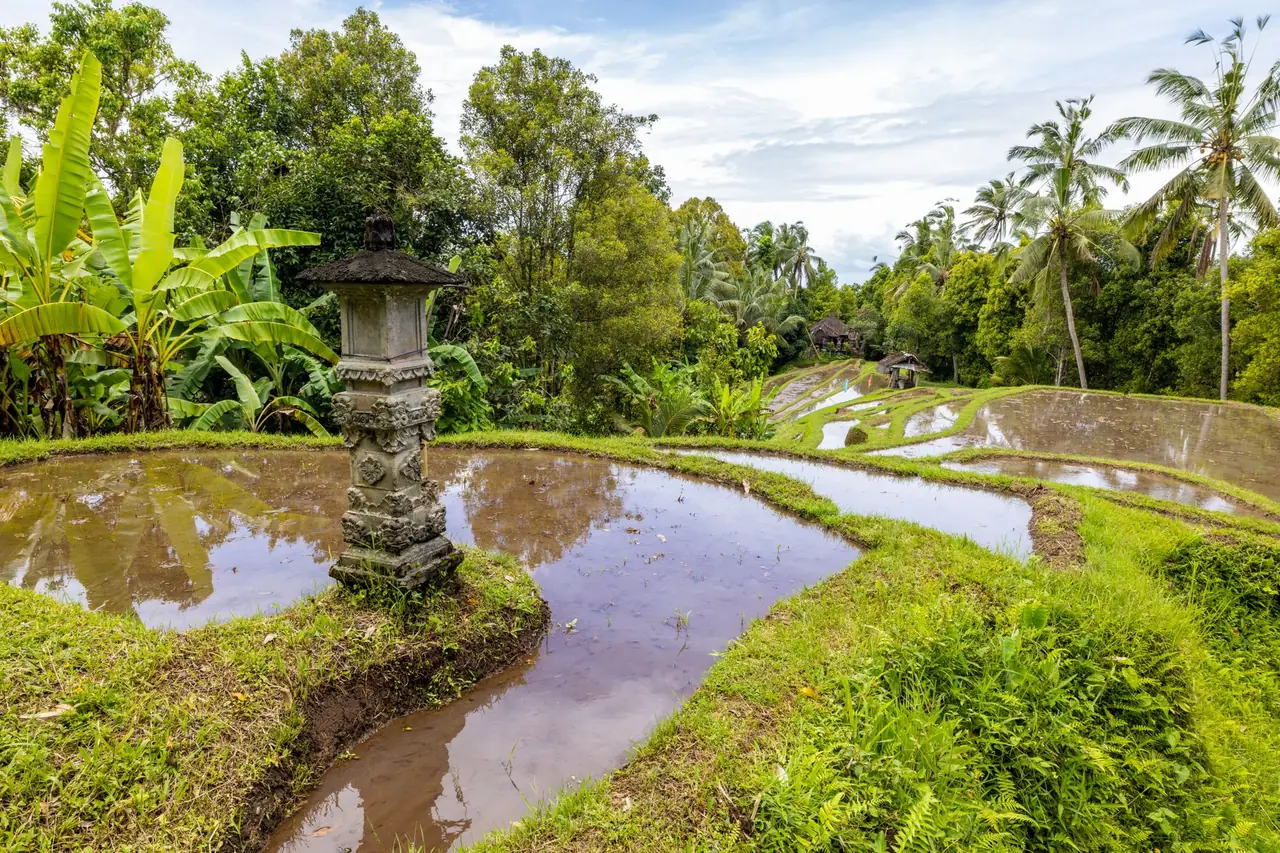
Bali is renowned for its natural beauty, offering an array of landscapes from lush rice terraces to volcanic mountains. The Tegallalang Rice Terraces in Ubud offer a glimpse into traditional Balinese agriculture and are a popular spot for photography. For adventure seekers, a trek up Mount Batur provides an opportunity to witness a spectacular sunrise. Bali’s beaches, such as those in Kuta and Seminyak, are famous for their surfing opportunities. The island also boasts several waterfalls, like Gitgit and Tegenungan, perfect for a refreshing dip. Exploring these natural sites allows travelers to connect with Bali’s unique environment and biodiversity.
Shopping and Souvenirs in Bali
Bali offers a vibrant shopping scene that ranges from traditional markets to high-end boutiques. Ubud Art Market is a great place to find handcrafted goods, including textiles, jewelry, and wood carvings. Seminyak is known for its upscale shopping options, featuring designer stores and trendy fashion outlets. For unique souvenirs, consider purchasing Balinese batik, a traditional cloth known for its intricate patterns. Bargaining is common in local markets, so it’s worth practicing your negotiation skills. Bali also offers a variety of local products, such as Luwak coffee and essential oils, which make excellent gifts for friends and family back home.
For personalized travel arrangements and to request a tailored quote, please visit our contact page or reach out via WhatsApp +62 811-2859-0000 or email [email protected]. Our expert team is ready to assist in crafting your perfect Bali getaway.